
A practical guide to scaling tech products in 2026—covering architecture, AI, team processes, cost control, and the real reasons systems break as products grow.

A practical guide to scaling tech products in 2026—covering architecture, AI, team processes, cost control, and the real reasons systems break as products grow.
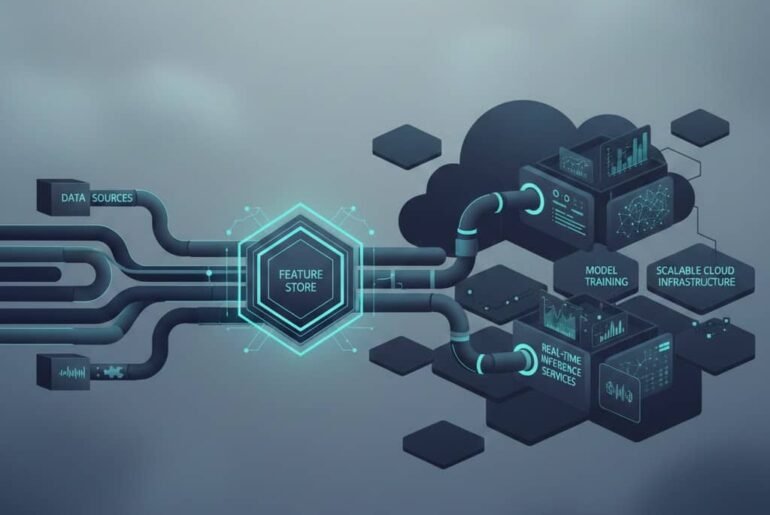
Feature stores are the hidden foundation behind reliable AI systems. This in-depth guide explains how feature stores work, why they matter in production, and how teams use them to scale AI safely in 2026.
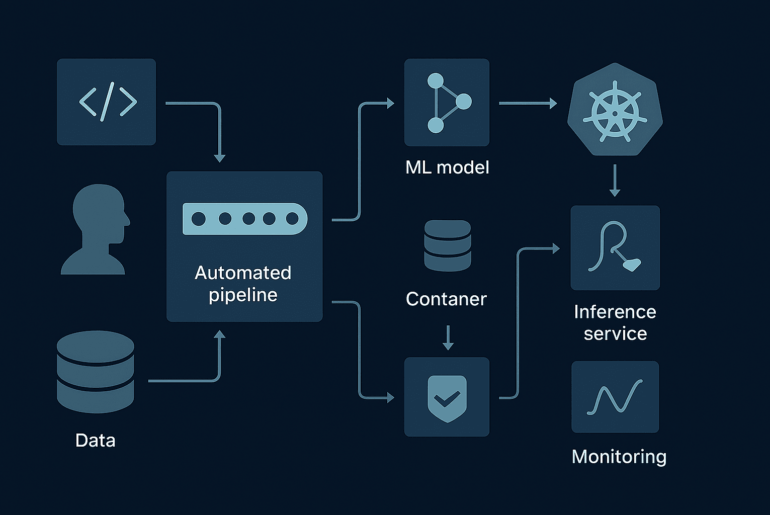
Modern AI systems no longer rely on isolated CI/CD pipelines, Kubernetes clusters, or MLOps workflows. In 2026, these layers converge into a single operational backbone that determines how safely and reliably software reaches production.
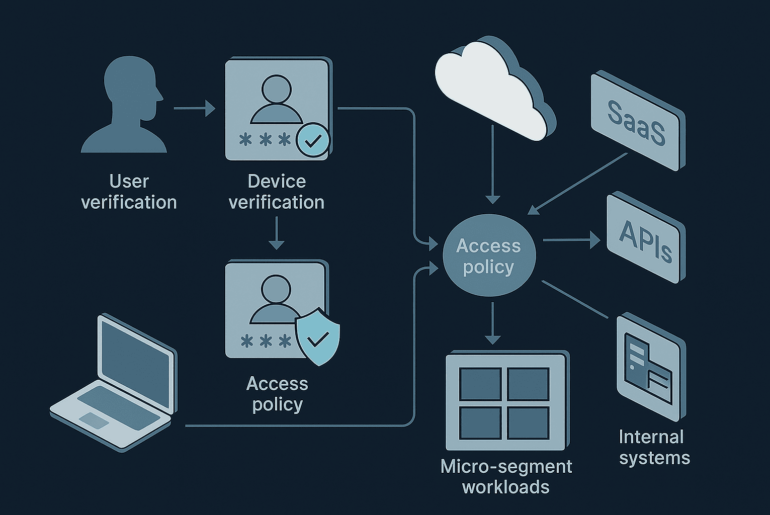
This Zero Trust implementation guide explains how organizations can build identity-first security in 2026—covering cloud, SaaS, APIs, and real-world execution challenges.
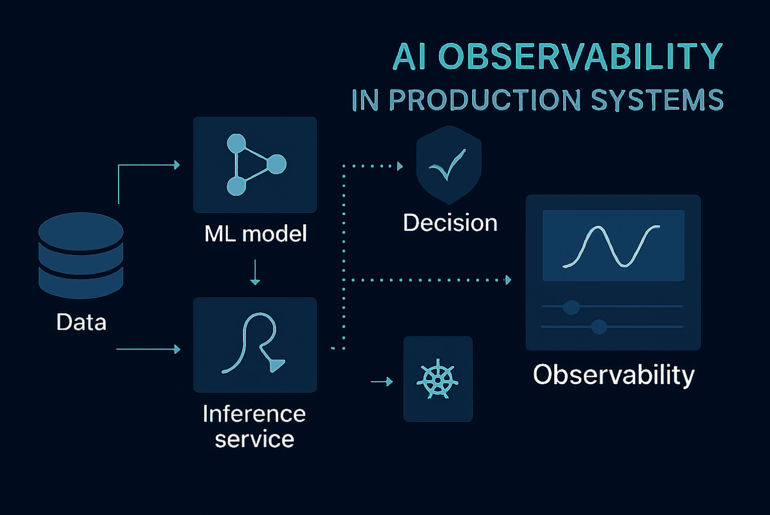
AI observability helps teams understand how machine learning models behave in the real world. This guide explains how production teams monitor data drift, model performance, system health, and decision impact in 2026.

Cloud security failures rarely come from hackers alone — they come from misconfigurations, weak identity controls, and poor visibility. This guide explains real-world cybersecurity best practices for securing modern cloud systems.

Generative AI is reshaping content creation in 2026 by enabling smarter content systems, context-aware personalization, scalable repurposing, and stronger editorial control. This article explains what’s changing, what still requires humans, and how creators can stay competitive.

Generative AI is transforming how software is built and how businesses operate — but it’s often misunderstood. This guide explains how Generative AI really works, where it delivers value, where it fails, and what the future looks like.